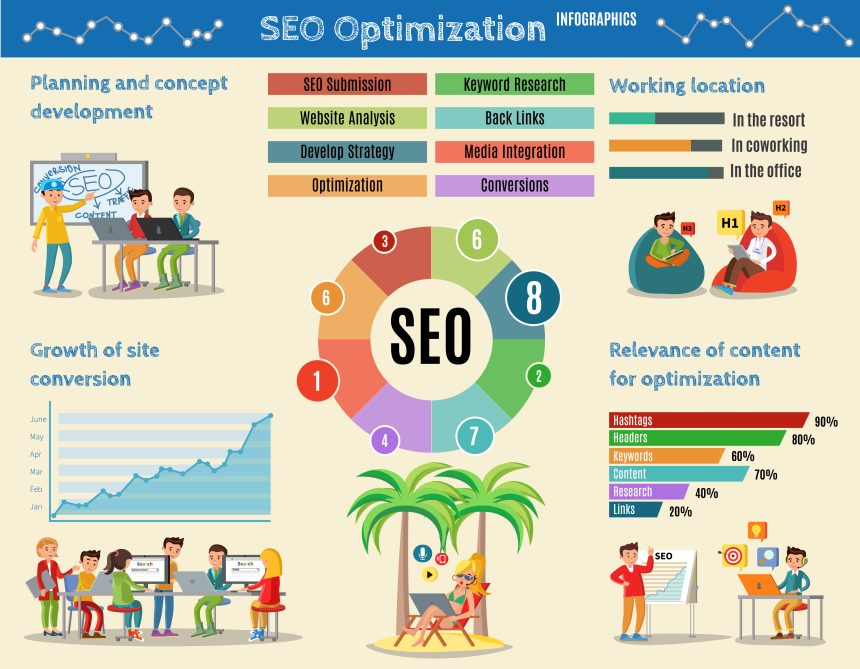
Most sites do not get visitors, even with good content and design. The question owners ask themselves is why their pages aren’t shown in search results. Online visibility competition is growing daily. Paid advertising is a short-term solution since the traffic ceases as soon as the expenditure is cut. This causes frustration to the owners of websites that prefer long term growth. I have eighteen years of experience in SEO and content strategy in websites. I have witnessed poor optimization of websites. I have also experienced a high growth as a result of organized SEO. Search engines are concerned with relevance, quality and user satisfaction. In this blog, you will be in a position to know what SEO is all about.
Understanding SEO and Its Core Purpose
SEO stands for Search Engine Optimization. It focuses on improving website visibility on search engines. SEO helps search engines understand what a website offers. When search engines understand content clearly, they rank it better.
From experience, SEO connects websites with users searching for solutions. It aligns content with user intent. SEO improves structure, clarity, and accessibility. Search engines prefer websites that deliver helpful information.
SEO includes content optimization, technical improvements, and authority building. Each element supports ranking improvement. For example, clear headings help search engines scan content. Relevant topics increase trust signals. SEO works as a bridge between users and websites. This connection improves traffic quality and ranking stability over time.
How Search Engines Decide Website Rankings
Search engines use complex algorithms to rank websites. These systems analyze content quality, relevance, and performance. Ranking depends on how well a page answers search queries.
I have observed ranking patterns across many projects. Search engines reward clarity and usefulness. Pages with structured content perform better. Website speed and mobile compatibility also matter.
Search engines track user behavior closely. They analyze time spent on pages and bounce rates. Positive engagement signals improve ranking chances. Trust indicators like secure connections also influence rankings.
Search engines aim to deliver the best results to users. SEO aligns websites with these goals. When websites meet search engine expectations, rankings improve naturally and consistently.
Role of Content and User Experience in SEO
Content plays a central role in SEO success. Search engines rank pages that provide real value. Thin or confusing content fails to perform well.
I have improved rankings by enhancing content clarity. Well-written content keeps users engaged. Engagement signals improve visibility. User experience also influences rankings strongly.
Clear navigation helps users explore pages easily. Readable layouts reduce frustration. Mobile-friendly design improves accessibility. When users enjoy browsing, search engines notice.
SEO combines content and experience seamlessly. Helpful content answers questions clearly. Smooth experience encourages longer visits. Together, these elements create strong ranking signals. Websites that prioritize users achieve better search performance consistently.
Technical SEO and Website Performance Impact
Technical SEO ensures websites function properly for search engines. It focuses on structure, speed, and accessibility. Poor technical setup limits ranking potential.
From experience, technical fixes often deliver quick improvements. Fast-loading pages retain users better. Mobile optimization improves reach across devices. Search engines favor technically sound websites.
Technical SEO includes clean URLs and proper indexing. Secure connections build trust signals. Error-free pages improve crawling efficiency.
Key technical SEO elements include:
• Fast page loading speed
• Mobile friendly design
• Clear site structure
• Secure website connections
• Proper indexing setup
These elements support content performance. Strong technical foundations allow SEO strategies to succeed long term.
Why SEO Delivers Long Term Ranking Benefits
SEO focuses on sustainable growth rather than quick wins. Unlike ads, SEO builds lasting visibility. Each optimized page becomes a long-term asset.
I have seen websites gain traffic months after optimization. Rankings improve gradually but remain stable. SEO compounds result over time.
Search engines trust consistent websites more. Regular updates signal relevance and activity. Authority grows with quality content and links.
SEO also attracts high-intent users. Organic visitors search with clear goals. These users convert better. Over time, SEO reduces dependency on paid traffic.
SEO helps websites rank better by building trust, relevance, and authority. This long-term approach ensures stable growth and competitive advantage.
Want to Rank Higher? Let SEO Expert Saad Ashraf Show You How
SEO is not a mystery—it’s a method. It helps search engines understand your site, improves visibility, and attracts better-quality traffic. But it only works with the right foundation.
With 18+ years in SEO and content strategy, Saad Ashraf knows how to take websites from invisible to irresistible. His SEO plans are simple, structured, and built for long-term results.